Travel with Tobey and Sue

Travel with Tobey and Sue
Tobey and Sue in Africa

Monday, February 19, 2018

February 19, 2018 - Oaxaca, Mexico

We took the motorcycle back into the city this morning to meet Stephan and Ashley and visit the ruins of Monte Albán.

Monte Alban is the most important archaeological sites of the Valley of Oaxaca. Inhabited over a period of 1,500 years beginning about 500 BC to 800AD by a succession of peoples – Olmecs, Zapotecs and Mixtecs – the terraces, dams, canals, pyramids and artificial mounds of Monte Albán were literally carved out of the mountain.

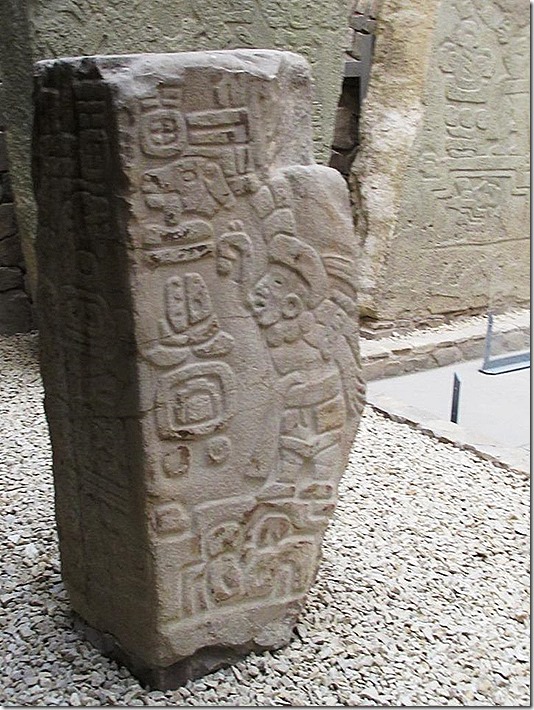
Admission to the ruins was very reasonable – 70 pesos per person (about $3.75USD). We found an English-speaking guide who gave us a tour of the site.  We entered the site near the North Platform. There was scaffolding around the side of the ruins shoring up damaged areas from the September 2017earthquake. The ball court below was also damaged in that quake. Our guide asked if we felt the tremors that were in Oaxaca last night, but none of us had. Apparently it registered 5.9! The main part of the ceremonial center which forms the Gran Plaza is roughly 300 x 200 meters running north-south with a platform at either end.  It was huge! Our guide explained that the people were known for their healing and medical abilities, as well as knowledge,  traditions and artistic expressions. There were several stone carvings showing medical procedures, fertility, childbirth, and even birth defects. He called it the Mayo Clinic of Monte Albán. Our guide also stressed that there was no paper here, all of the writing was done in stone.At the end of our tour we climbed to the top of the South Platform and had a view back to the north. The site is impressive with its size and number of buildings which have been excavated.2018-2-19 Monte Alban groupWe stopped in the museum to see several of the stone carvings discovered on the site. Many reproductions of carved stones like the one below have been placed outside the structures near the areas where the originals were found. It gives visitors the opportunity to visualize the site while preserving the original stonework.After our visit, we headed back into the city with a stop at a small roadside restaurant for lunch. We tried four different kinds of tacos and they were so good, we ordered four more! It was Stephan and Ashley’s first time eating at a roadside restaurant and they liked it, too!
Back in the city we decided to check out the Centro – old part of town. We walked to the Zocalo (town square). We were surprised to see the square filled with tents and tarps. We found out the National Torch Movement, a left-wing political group focused on poverty reduction, is staging demonstrations in Oaxaca and Mexico City. Some 10,000 people are expected to participate in a march to the Zócalo tomorrow so we won’t go back into the city!

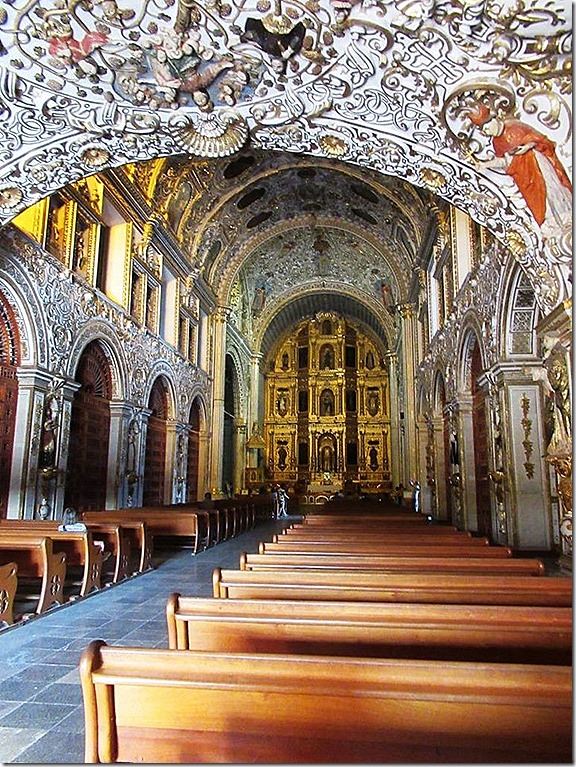
Just south of the square is one of the local markets. We did enjoy walking through to see several of the booths where the local people shop. One of the local delicacies we did NOT try were the dried grasshoppers. They say they are good for you, but we decided to pass!We went into the Temple de Santo Domingo de Guzman. From the outside we could tell it was very large, but the simplicity of the structure hides the incredible beauty and wealth inside!Begun in 1575, the church and monastery were constructed over a period of 200 years, between the 16th and 18th centuries. The monastery was active from 1608 to 1857. In the period of the revolutionary wars, the buildings were turned over to military use, and from 1866 to 1902 they served as a barracks. The church was restored to religious use in 1938. The church has been fully restored. Its highly decorated interior includes use of more than 60,000 sheets of 23.5-karat gold leaf!In our wandering around the city, we went by the Teatro Macedonio de Alcala. After a long day of sightseeing and walking, we had dinner at Tobaziche. It is rated #14 on Tripadvisor, so we thought it should be great. Not so much. I had a pulled pork torta (sandwich) and Tobey had something I can’t even describe. The best part of the meal was the Agua Frutas (fruit water drink). I guess you can’t believe everything you read on the internet!! Smile
With some fun, new memories made with Stephan and Ashley today, we said our goodbyes and headed back to our campground. We look forward to seeing them both again soon! They will head to Mexico City and we will head to the Pacific coast. Buenas noches!

February 18, 2018 Oaxaca, Mexico

We got moved into the Oaxaca Campground this morning and quickly settled in. We are looking forward to spending a few days in the area.

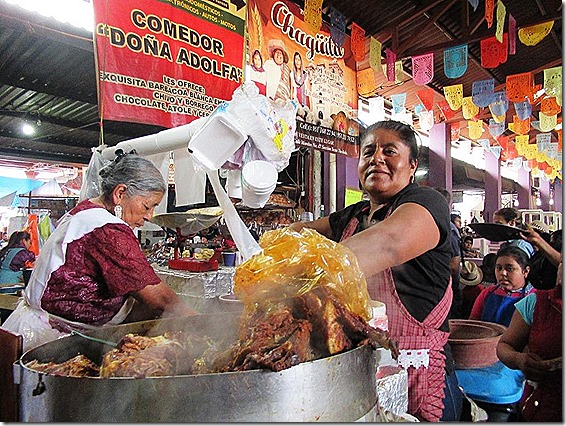
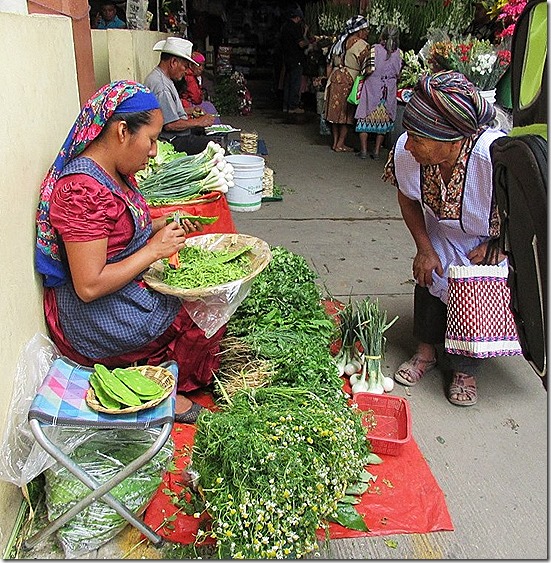
The campground owners are from Canada and Kate recommended we visit Tlacolula de Matamoros Sunday market. She was planning to go on the bus and she offered to take us along. It was 10 pesos each and took about 30 minutes to get there. We first visited the the parish church, called La Asunción de Nuestra Señora. It was founded as a Dominican mission in the mid 16th century. It looked like a humble church on the outside, but the inside was amazing! It consists of the main church and the Chapel of the Señor del Tlacolula. It also has a large baroque pipe organ from the 16th century!One of the notable features is the Baroque chapel dedicated to a crucifix called the Señor de Tlacolula, one of several "black Christ" images that appeared mysteriously, and to which miracles are attributed. People come to touch the statue or robe and pray. We saw one woman come and touch a handkerchief on the statue then rub it on the head of her daughter, praying to the statue. It was interesting.After a stop at the church, we joined Kate for lunch at her favorite food stall, Comedor “Dona Adolfa”. I had a soup with meat and Tobey tried the tacos. Tobey also tried the Chocolate Atole which was a thick hot chocolate served in a bowl. We enjoyed wandering around with Kate as she did her weekly shopping. At one of the meat stands, she was getting ground beef. They trimmed the fat from what looked like a tenderloin or ribeye and ground it there to make hamburger! The fat is valued by many locals and they pay extra for it!In the center aisle by the meat counters, there were grills and people would cook your meats for you there!Many of the indigenous people are Zapotecs and they come from all around for the Sunday market, bringing their wares for sale. Many of the people are quite short. This woman was next to Tobey was quite old. We noticed several of the women with their hair in braids, then cloth braided in to make their hair look longer. On our way back to the bus station, we saw several of the three-wheeled taxis in town. We had seen these before in other areas of Mexico. They work well in some of the tiny narrow streets! We headed into Oaxaca City this evening to meet up with our former exchange student, Stephan and his girlfriend, Ashley. We had an enjoyable evening and shared a great dinner. The plate on the right was an appetizer plate. the one in the back was a large, crispy tortilla with vegetables and meat. The seven bowls were different types of mole. Mole poblano contains about 20 ingredients, including chili peppers and chocolate, which works to counteract the heat of the chili peppers, but the chocolate does not dominate. It helps give the sauce its dark color. DELICIOUS!We headed back to the campground and about 9pm on the motorcycle and will meet them in the morning to do some sightseeing.

Saturday, February 17, 2018

February 17, 2018 - Tula to Oaxaca

Last night was pretty quiet – until we went to bed! We expected some traffic noise, but we didn’t expect to have nightclub music starting at 10pm going until well after 3am! We did sleep well from 3 until 8am, so that was good.

After breakfast we decided to visit the Tula Toltec Archeologic Ruins where we were camped. We had no idea they were here, so it was a bonus for us. Admission was $70 pesos per person ($3.75USD) and did not require a guide. We were given an English map and all of the signs outside were also in English (not in the museum).

Between 900 and 1150AD, the ancient city covered nearly 16 square kilometers. Tula is the first pre-Hispanic town in central Mexico about which data is available on the history and culture, as well as names of kings, the origination of the city, its conquests and decline.

We climbed to the top of the Temple of Tlahuizcalpantecuhtli up these steep, narrow steps. From the top of the we could look out an see the Plaza (open area), the ancient ball courts, the Palace of the Columns, as well as the other buildings that have been unearthed. At the top of Pyramid B (the Temple) were enormous atlantes – or sculpted male figures and pilasters with reliefs. They originally served to support the roof of the temple. The Atlantes represent Toltec warriors whose dress includes symbols and elements identifying them as high-ranking military men. Behind the Atlantes are four pilasters with reliefs showing human figures.These remains are of the great hall with numerous columns. There were three large halls but the structure was destroyed by fire, which is why they call it the Burnt Palace. It was a ritual space where religious ceremonies were held.The two pictures below are the Coatepantli, or Serpent Wall. It has carved figures representing human skeletons devoured by enormous rattlesnakes. They are related to human sacrifice. There were also carved panels representing jaguars, coyotes, eagles, and vultures. Some of the animals are wearing collars, perhaps meaning they were domesticated and used as ceremonial mascots or military orders.Inside the museum were several artifacts found in the area. We were impressed with this stop and recommend taking time to visit.As we were leaving the ruins we saw several school groups – high school or older – getting ready to help with a clean-up day at the park and ruins. There were at least 100 young people and another group of local adults ready to take on the task.

We also met a local Lions club member that was there to meet his club for a tour. We talked with him for a few minutes and he was as happy to meet fellow Lions from Colorado as we were to meet a Lion from Tula!

After leaving Tula, we had another long day of driving. Toll roads, some four lane, some two lane, bypassed our way around Mexico City through Puebla and on to Oaxaca. This was one of the craziest toll booths we went through – trying to figure out which lane we should be in was a challenge!We passed the Estadio Cuauhtemoc in Puebla. It is a football (soccer) stadium and it is the fourth biggest in Mexico seating almost 52,000 people! It was huge!We weren’t sure what this was, it had a huge parking lot behind it and we thought it might be an amphitheater.We passed many different geographic zones on the trip today. Farming to high desert that reminded us of Baja Mexico, up into the mountains as we made our way to Oaxaca.

Today we drove 325 miles and had $1330 pesos in tolls ($71.50USD). We are looking forward to exploring Oaxaca and meeting our former exchange student, Stephan and his girlfriend here in a couple days.

Friday, February 16, 2018

February 16, 2018 - Pemex to Tula, Mexico

Last night was a short night even though we stopped driving by 6:30pm. We opted to stay at the Pemex truck stop and it was a HUGE mistake. Even with earplugs in, it was SO NOISY! To make it worse, the gas station attendant started knocking on our door at 6am to let us know he was going off—duty and wanted to collect his tip for watching our RV all night. Tobey gave him about $30 pesos and he was on his way. Some of the Pemex stations are quieter, but this one was located right on the toll road. We will definitely think twice before staying at one again.

We stopped down the road for breakfast before continuing to El Rosario Butterfly Sanctuary. Several signs indicated we should go a different direction than our Google maps wanted us to go, so we decided to follow the signs. We had quite an elevation gain and drove through a pine forest. There were several small lumber yards where the pine boards were stacked for drying. The air smelled good.As we made our final approach to the sanctuary, we paid a $50 entrance fee to access the road to the sanctuary parking lot. Admission to the sanctuary was $50 pesos per person, plus a tip for the mandatory guide ($100 pesos). Our guide didn’t speak any English so that was disappointing. English-speaking guides were sharing information about the Monarch butterfly migration, the area, etc. Oh well, next time.

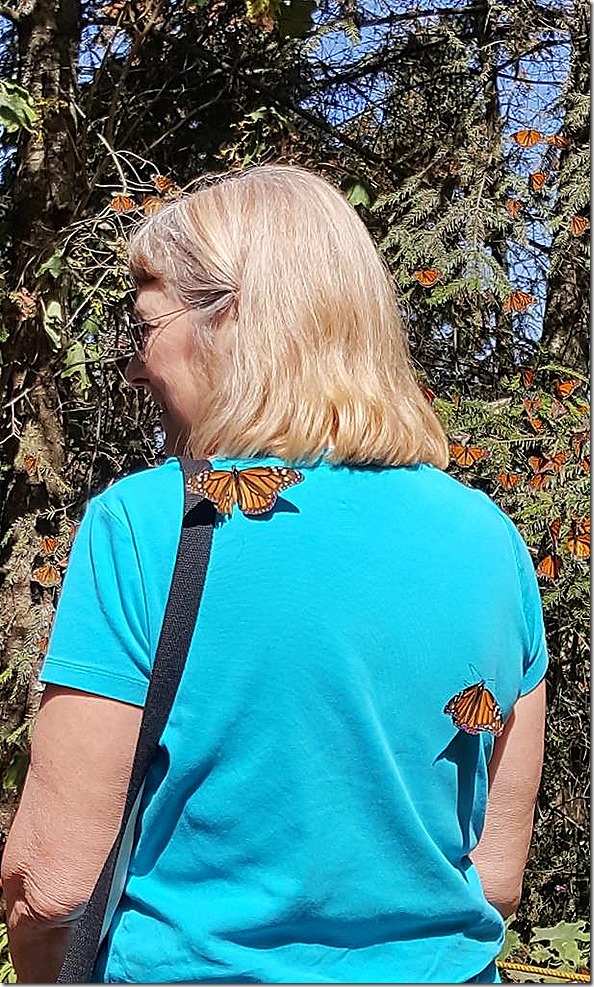
We walked at least 3km UP the mountain to the area to where the butterflies migrated. There are over 600 stairs and we climbed to about 11,000 feet in elevation! I needed several stops on the way up to catch my breath!It was well worth the climb and hard to describe how amazing it was. The pine trees looked brown from a distance and it was only as we got closer in our approach that we could tell that they were covered in Monarch butterflies! We read that Monarch butterflies can travel as far as 80 miles per day on their 1800 mile migration from the US! https://www.tripsavvy.com/mexicos-monarch-butterfly-reserves-15889432018-2-16 SueDuring our descent back down the mountain we stopped to see some beautiful yellow bushes. The guide told me these were a type of butterfly, but I’m not sure. Could possibly be a moth.Like all good attractions, you are deposited into the gift shops at the end. The final area was full of artisan shops and gift shops. We chatted with this lady and she showed us how she weaves baskets from the pine needles. The baskets were beautiful and one of them found its way into our backpack for the trip home for a reasonable price. SmileWe had lunch at one of the small restaurants lining the parking area. Tobey had carne asada and I had mole chicken. They were okay, but nothing spectacular.

After lunch we decided to take the road our Google maps had directed us on. It was a 9.8km road and didn’t look too terrible as we initially departed. This road quickly deteriorated and we bumped along ruts, one lane, cobblestones, and topes (speed bumps) for 45 minutes! We saw a woman and her daughter and they were walking and Tobey offered them a ride into Agangueo. They were happy for the ride which saved them a lot of time, even though we were slow. She directed us to the bank where she was headed and then we had to navigate our way though many narrow-narrow-narrow streets to get out of town! I’m not great with Google maps and Google maps is terrible with tiny streets in Mexico! We were both frustrated and happy to get back on the toll road!

We did stop ON the toll road at one of the stands selling strawberries. We paid $60 pesos for this basket ($3.25 USD). They are tasty!We continued on the toll road to the Tula, Mexico exit. Once again, I messed up the directions and we ended up the “Centro” – center of town! Fortunately, a policewoman was directing traffic and we did a 180 turn in the middle of the intersection while she stopped traffic and got us going in the right direction. Yikes. We did have to drive about 5km through the city to get to the Tula Archeological site where we are camped just outside of the gates. There is another RV with a couple from Germany camped next to us. Hopefully we will get a better night’s sleep before our journey tomorrow.